

MOLLY KIDD - DESIGNING WITHOUT A TIMESTAMP
A Conversation With Molly Kidd
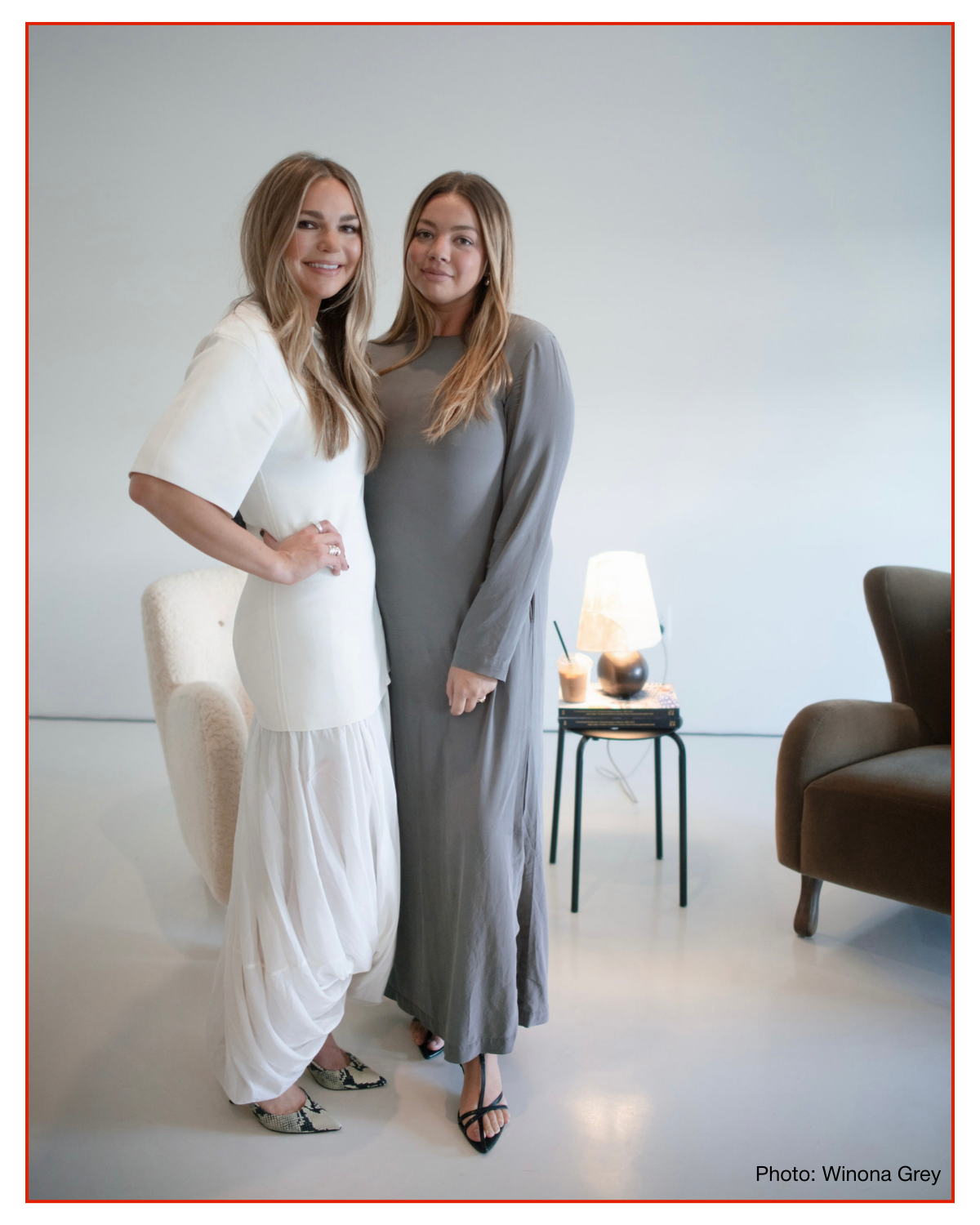
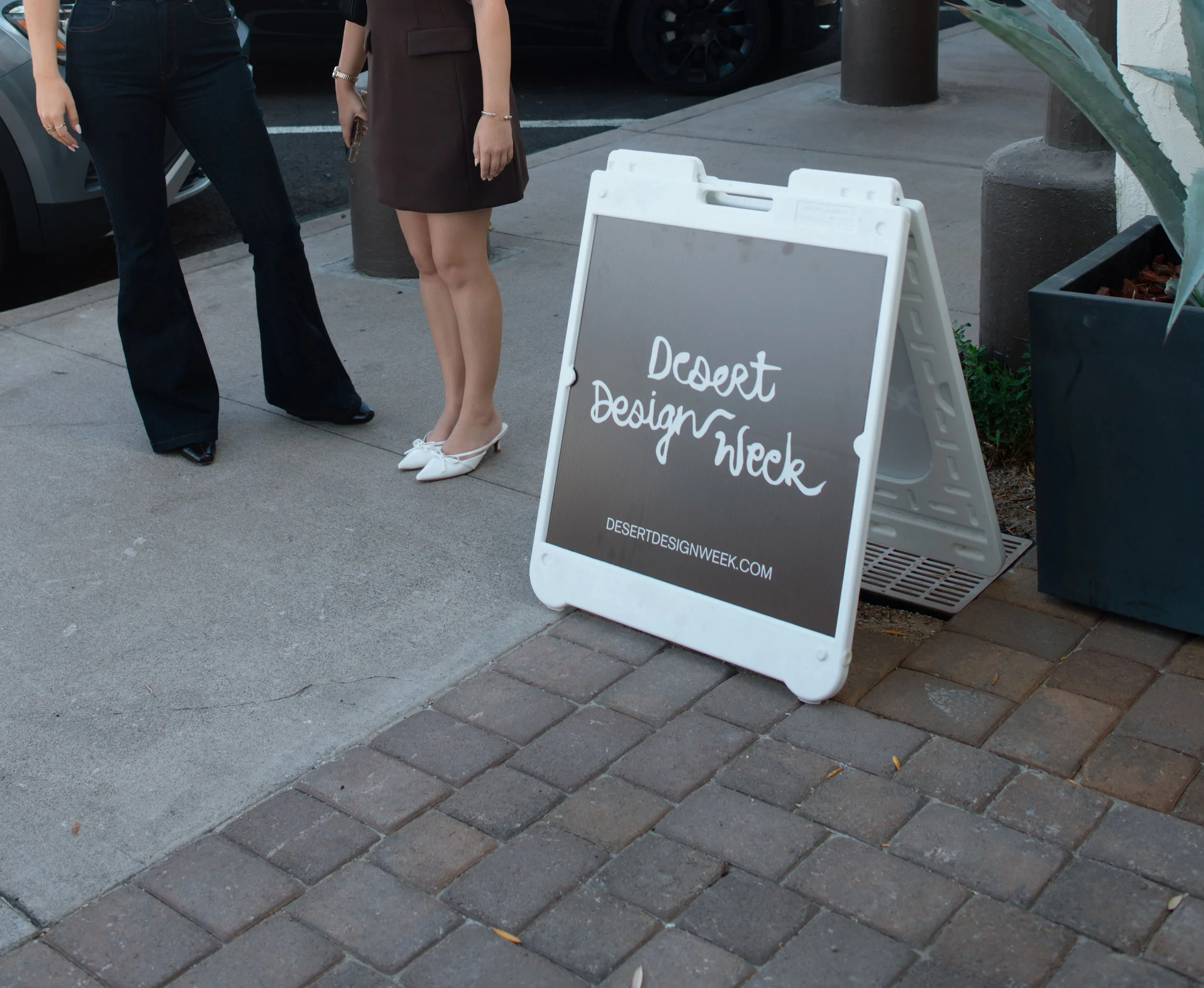
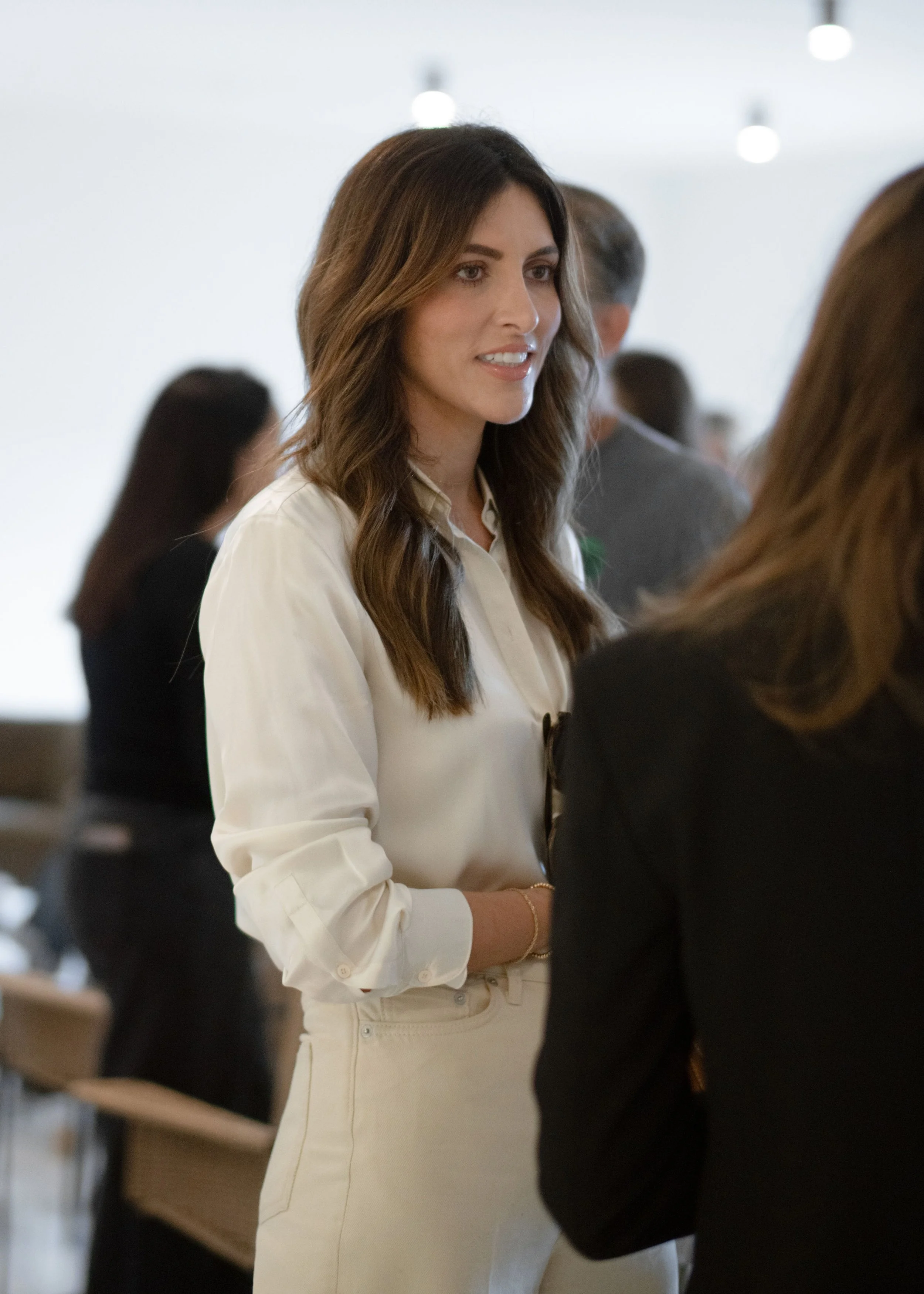
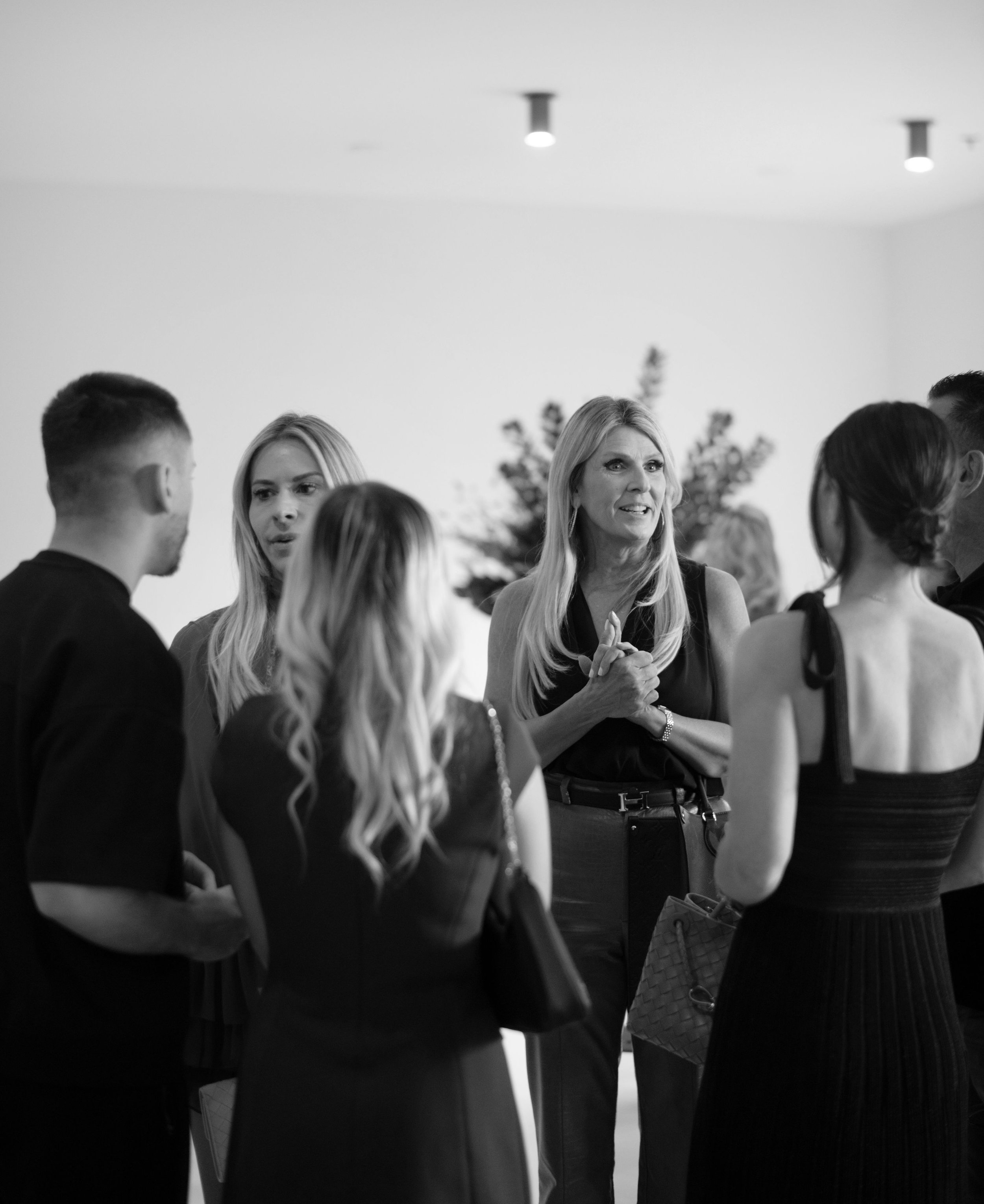
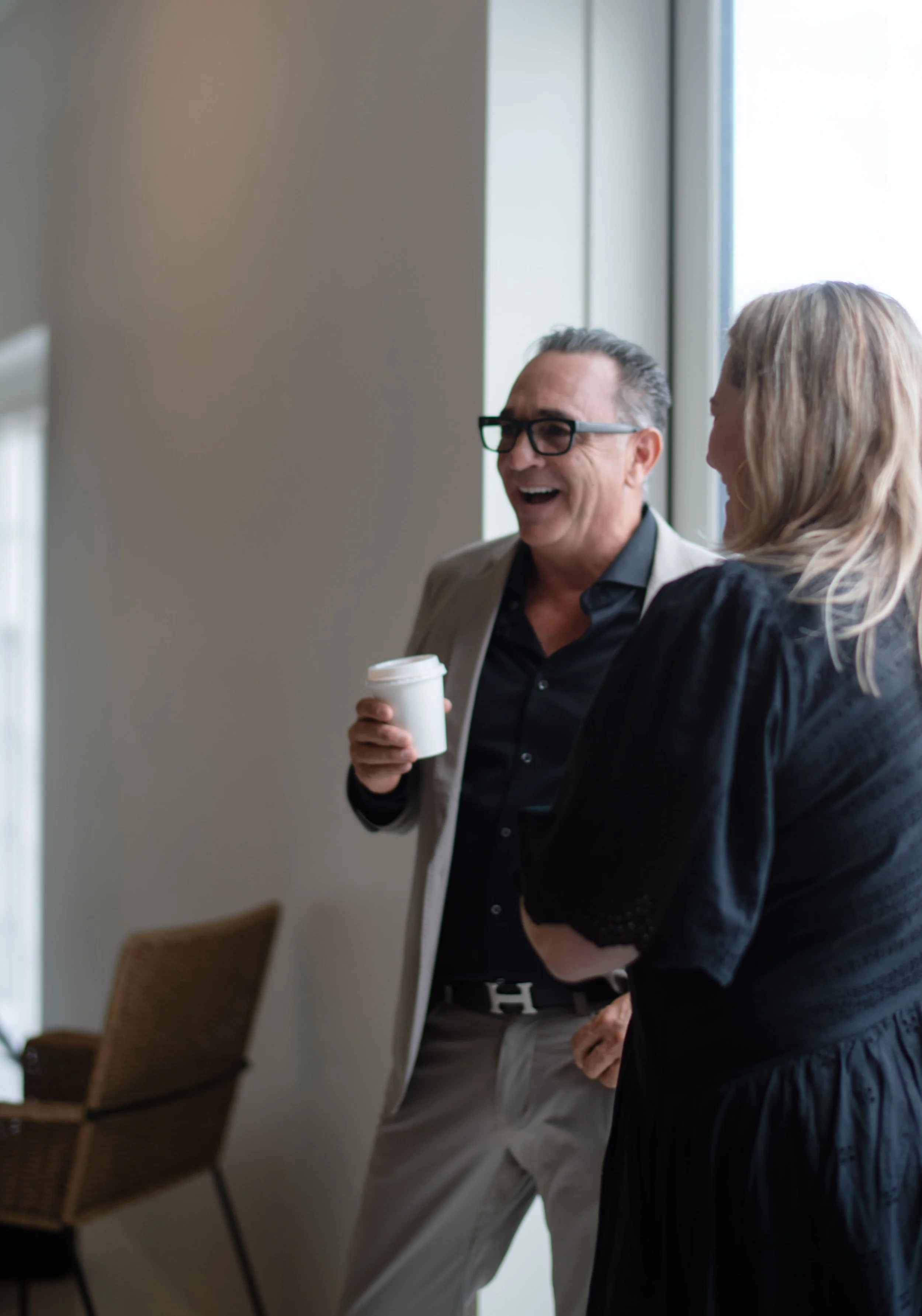
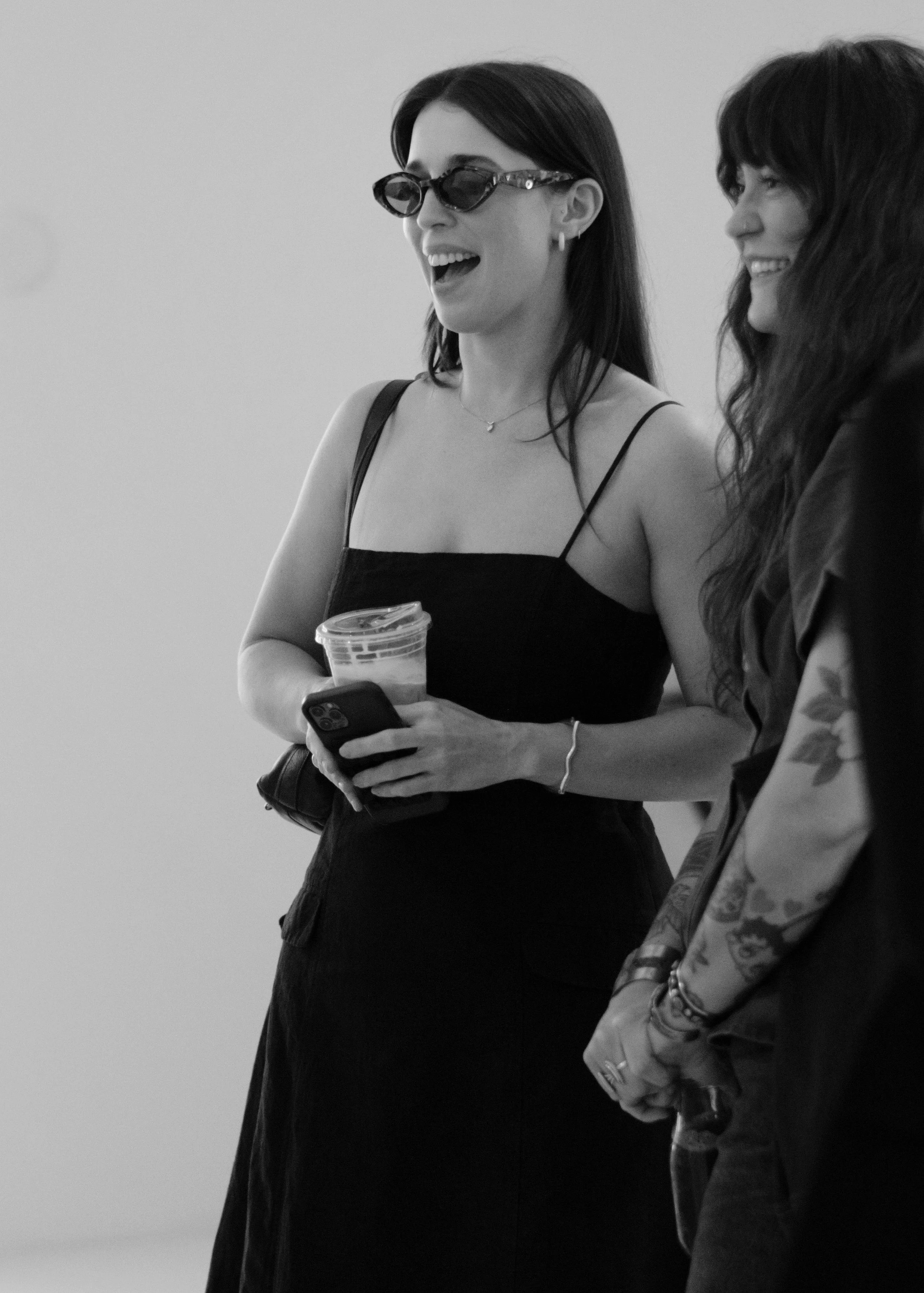
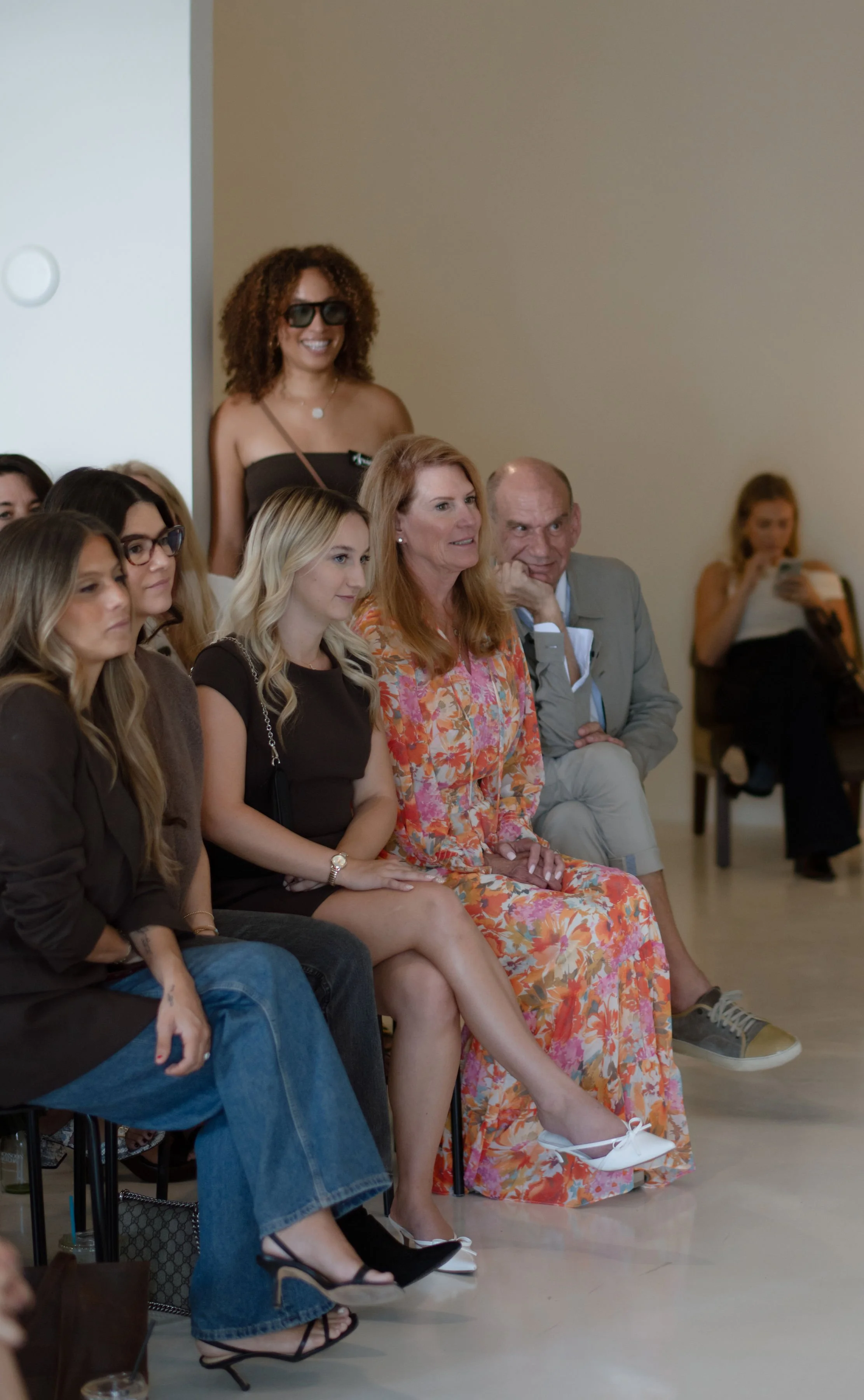
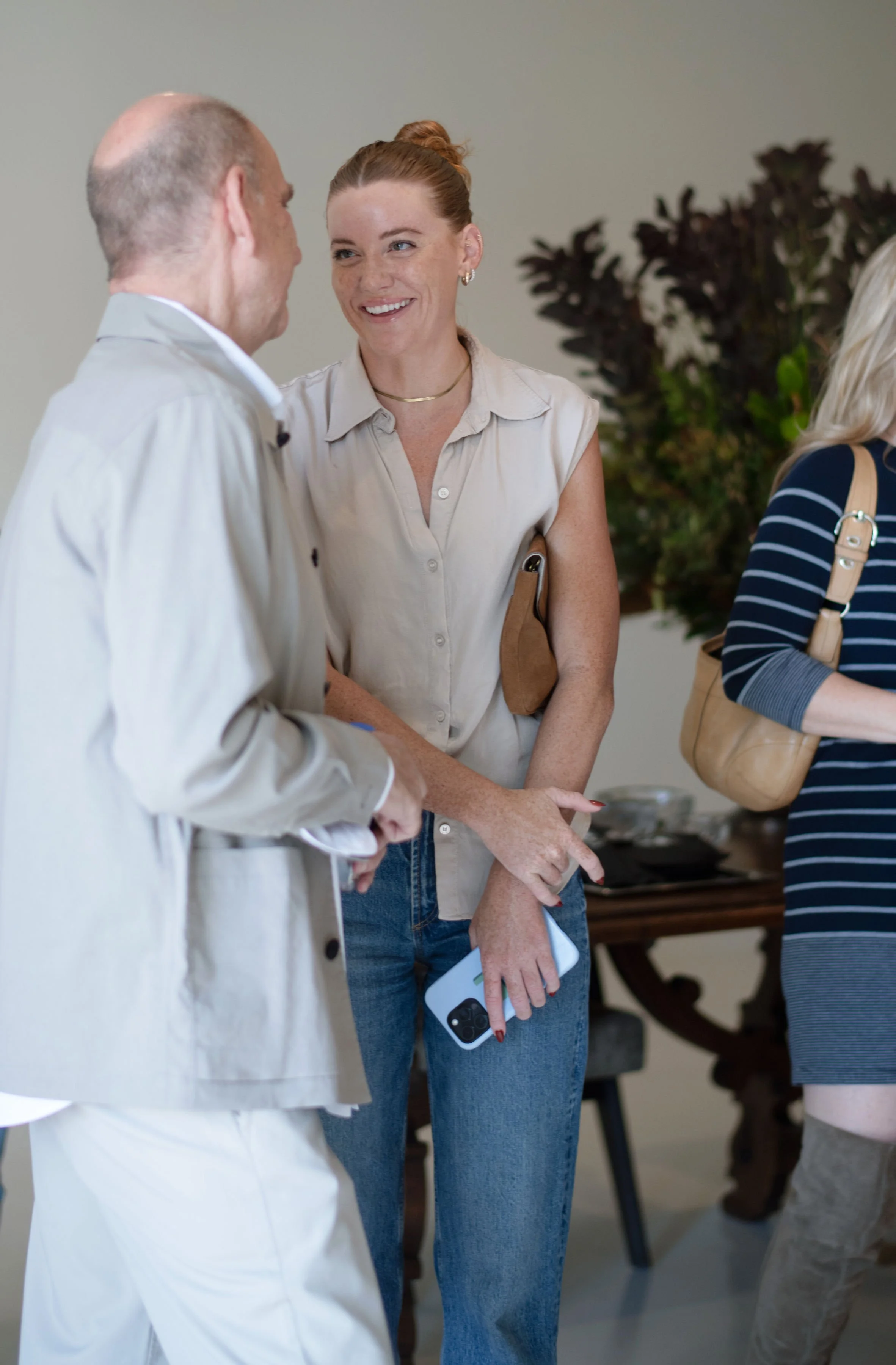
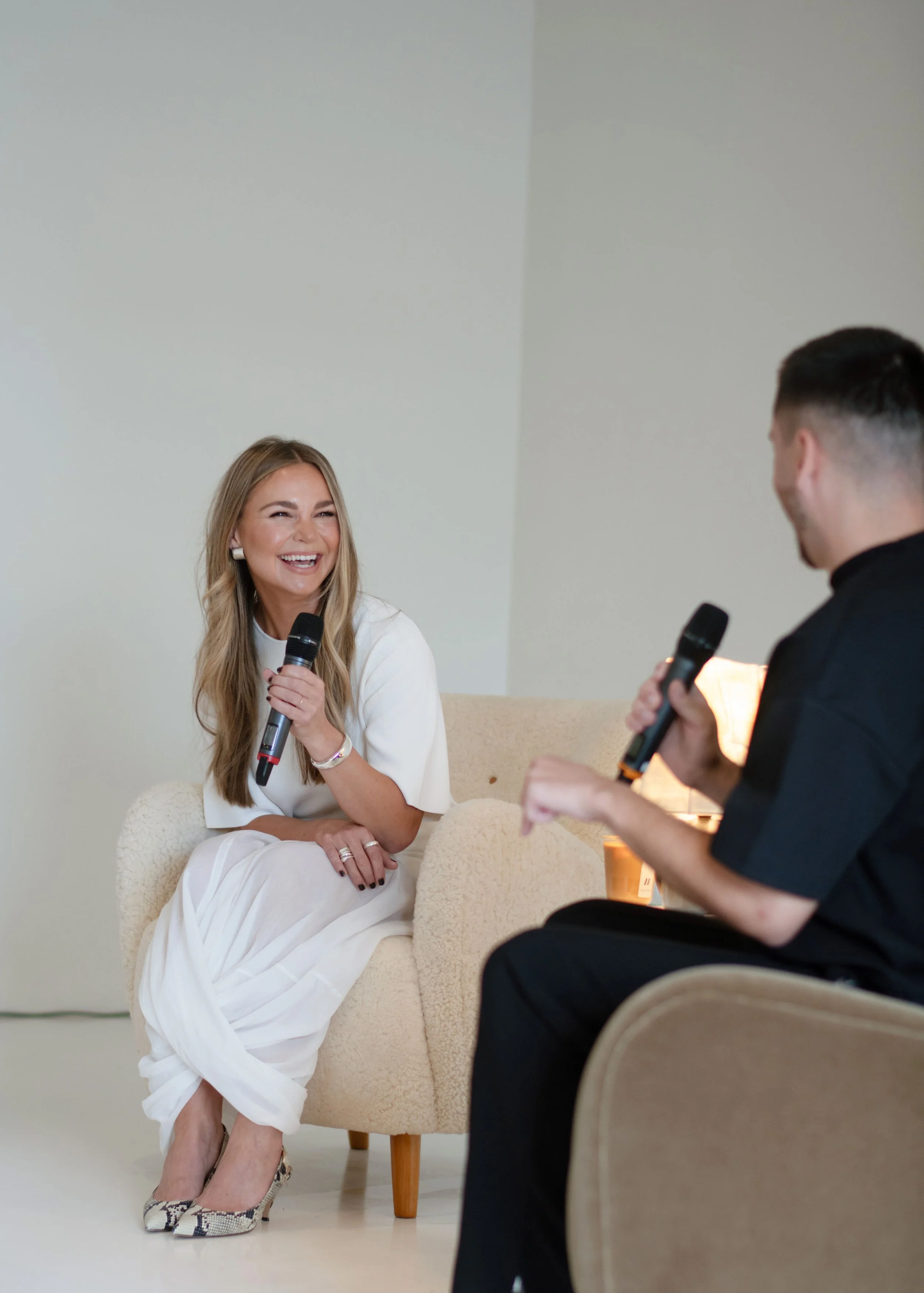
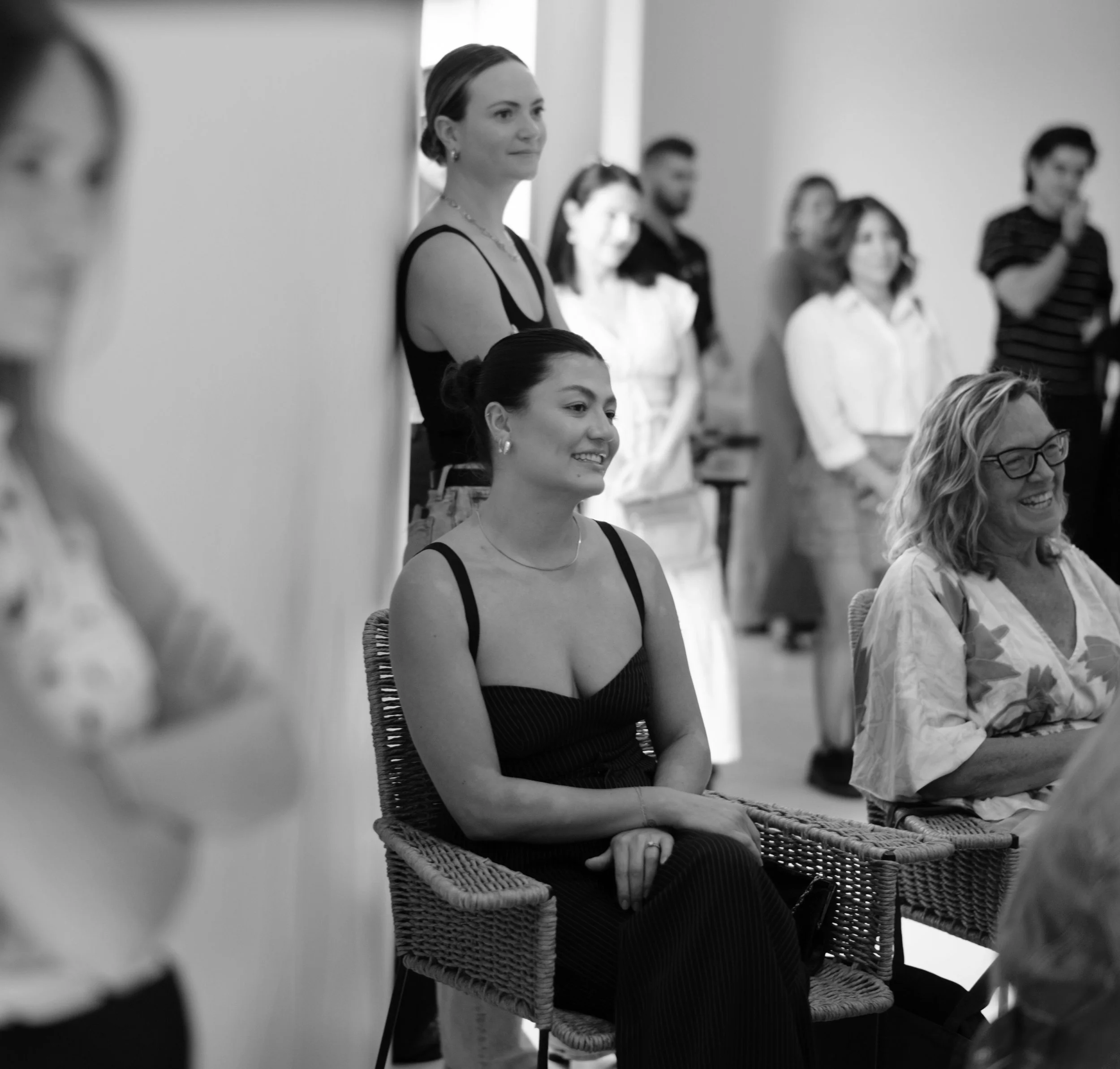
As part of a Fall ‘25 Edition of Desert Design Week, Molly Kidd ( Molly Kidd Studio) joined a live audience to reflect on what it means to create interiors that endure. In a design culture saturated by sameness, the Pacific Northwest–based interior designer is intent on slowing the conversation down, shifting focus away from trends and toward a more intentional, lived-in approach to design.
Kidd, who has spent more than a decade shaping residential projects nationwide, approaches her work less as a series of trends and more as a way of living. Her interiors resist immediacy. Instead, they favor patience, restraint, and a studied understanding of how spaces evolve over time.
“Design is a lifestyle,” Kidd says. “And truly good design is hard to find right now.”
It’s a sentiment shaped by the realities of the current visual economy, where endless inspiration has paradoxically narrowed originality. With everyone sourcing from the same platforms and manufacturers, Kidd sees a growing desire among clients for interiors that feel authentic, personal, and untethered to a particular moment.
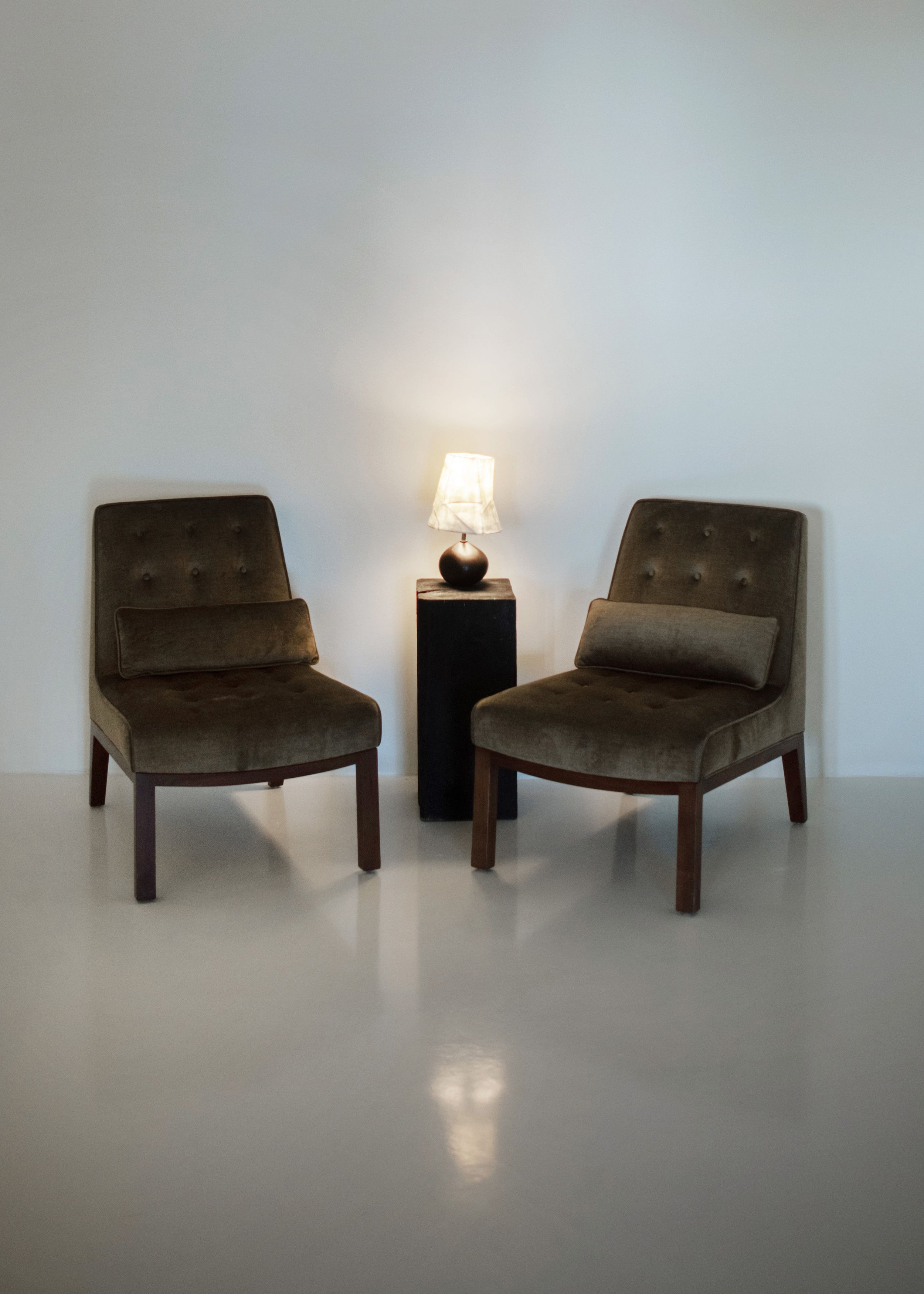
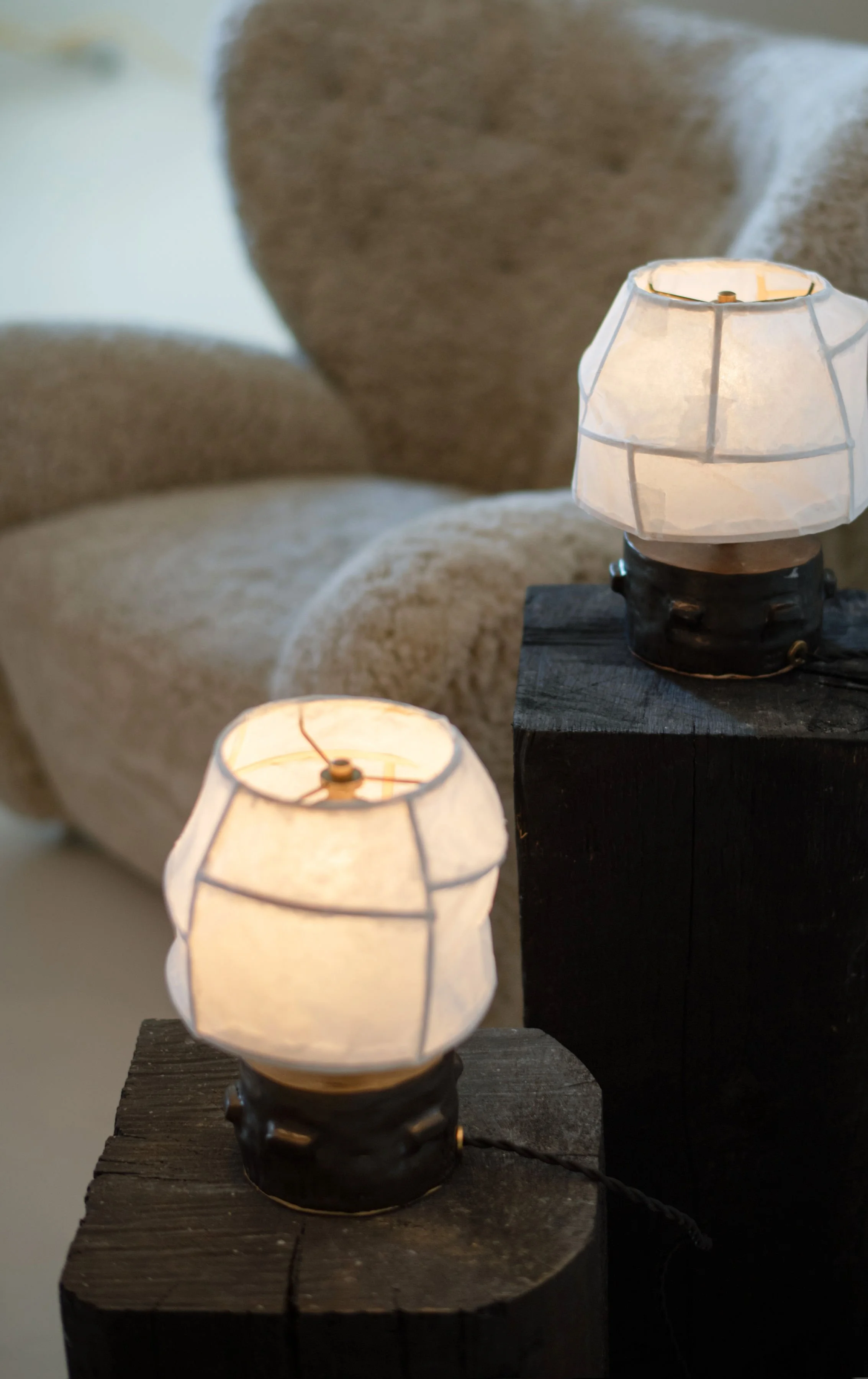
Her solution is deceptively simple, balance. Each project is anchored by an intentional mix of roughly fifty percent new and fifty percent vintage. The result is a layered sensibility that feels both grounded and quietly unexpected. In Kidd’s interiors, nothing announces its era. Instead, pieces coexist in a way that feels inevitable rather than curated.
“The goal is to create spaces where you walk in and you’re not sure when it was designed,” she explains. “When you’re working on homes that take three to five years to complete, it’s critical that they don’t feel outdated the moment they’re finished.”
That resistance to timestamps extends beyond furniture to materiality itself. Kidd gravitates toward natural materials, stone, wood, plaster, that develop character rather than deterioration. Patina is not something to be managed, but embraced.
“Anything manmade is always going to show its era,” she says. “Natural materials age beautifully. That’s part of the beauty.”
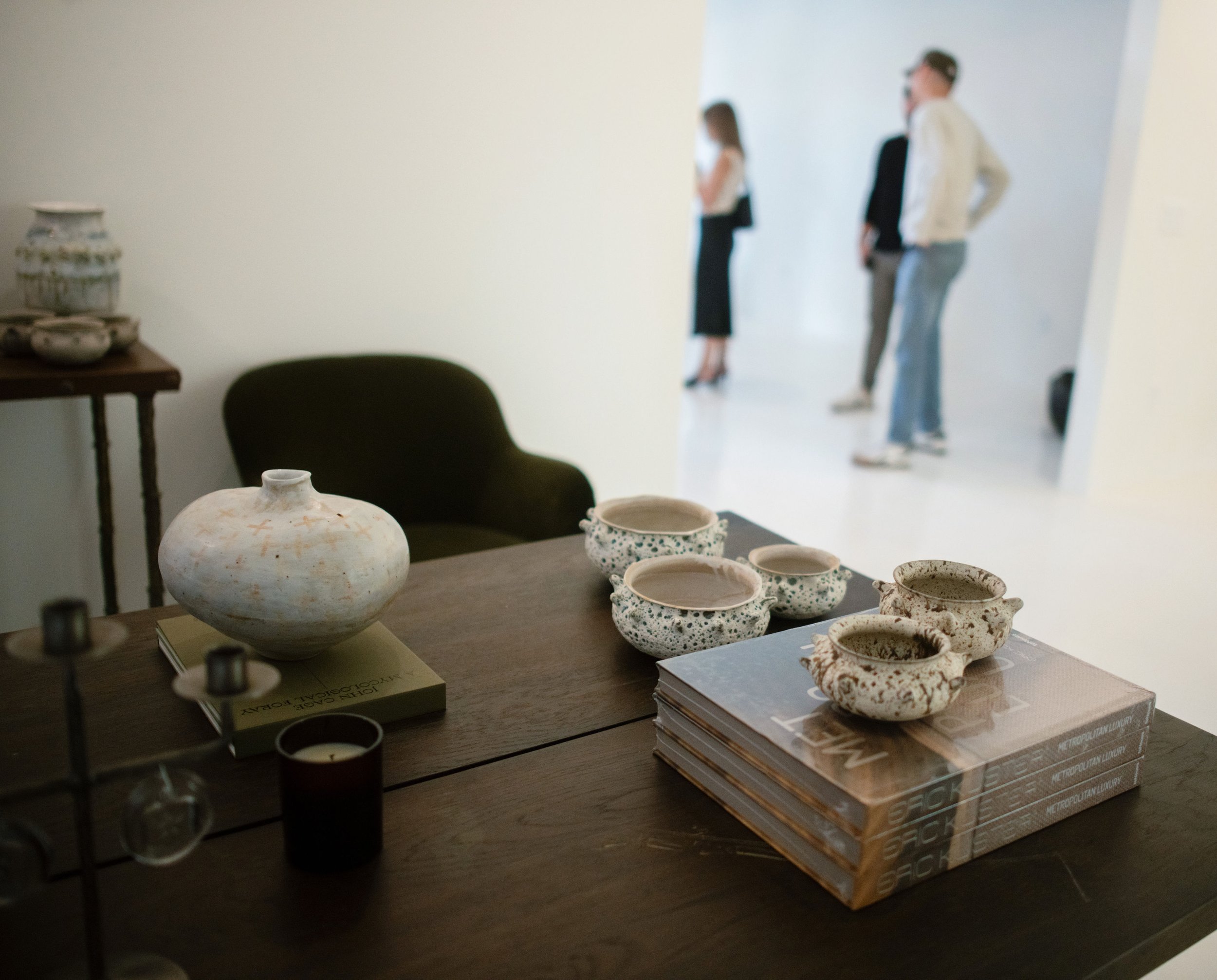
Nowhere is this philosophy more apparent than in her use of vintage and antiques. Kidd is less interested in statement pieces than in atmosphere. She seeks out objects that feel substantial and quietly confident, pieces that resist easy identification or a clear sense of where they were sourced. The success of a room, in her view, lies in its ambiguity.
“I love when people can’t tell what’s vintage and what’s new. I want homes where nothing feels easily identifiable or replicable.”
This approach also informs how she navigates the modern expectation of transparency on social media. While Kidd shares generously about her process, inspirations, and collaborators, she is deliberate about protecting the intellectual property that defines her work.
“My clients are paying for something one of a kind,” she says. “If everything is shared, it loses the magic. That exclusivity matters.”
Still, she is quick to note that openness and integrity can coexist. She champions the artisans and trades she works with and encourages collaboration through referrals rather than replication. In her view, generosity in the industry is less about giving everything away and more about creating systems that support long-term relationships.
Kidd’s ability to maintain a cohesive visual language across platforms is no accident. Nearly all of her business originates from Instagram, making brand clarity essential rather than optional. Behind the scenes is a tightly structured team, built slowly and intentionally, with a focus on long-term growth rather than short-term gains.
“I always tell young designers to hire people who are better than you,” she says. “Don’t be threatened by that. Invest in good people, even if it means making less at first.”
That philosophy has shaped a company that values shared ownership, trust, and creative excellence. Kidd is clear that success, for her, is not about building a massive corporation. Instead, it’s about recognition and resonance.
“I want people to walk into a space and know it’s a Molly Kidd home,” she says. “And then feel like there’s a way to bring a piece of that into their own lives.”
As for where inspiration comes from in an image-driven world, Kidd looks backward as often as she looks forward. Older design books, European architecture, and historical references form the backbone of her visual education. Images, she insists, are a starting point, not a template.
It’s a philosophy that requires confidence, patience, and restraint, qualities that are increasingly rare, and increasingly sought after. In Kidd’s work, timelessness is not an aesthetic choice so much as a discipline.
And perhaps, in a moment defined by speed and sameness, that discipline is precisely what makes her interiors endure.
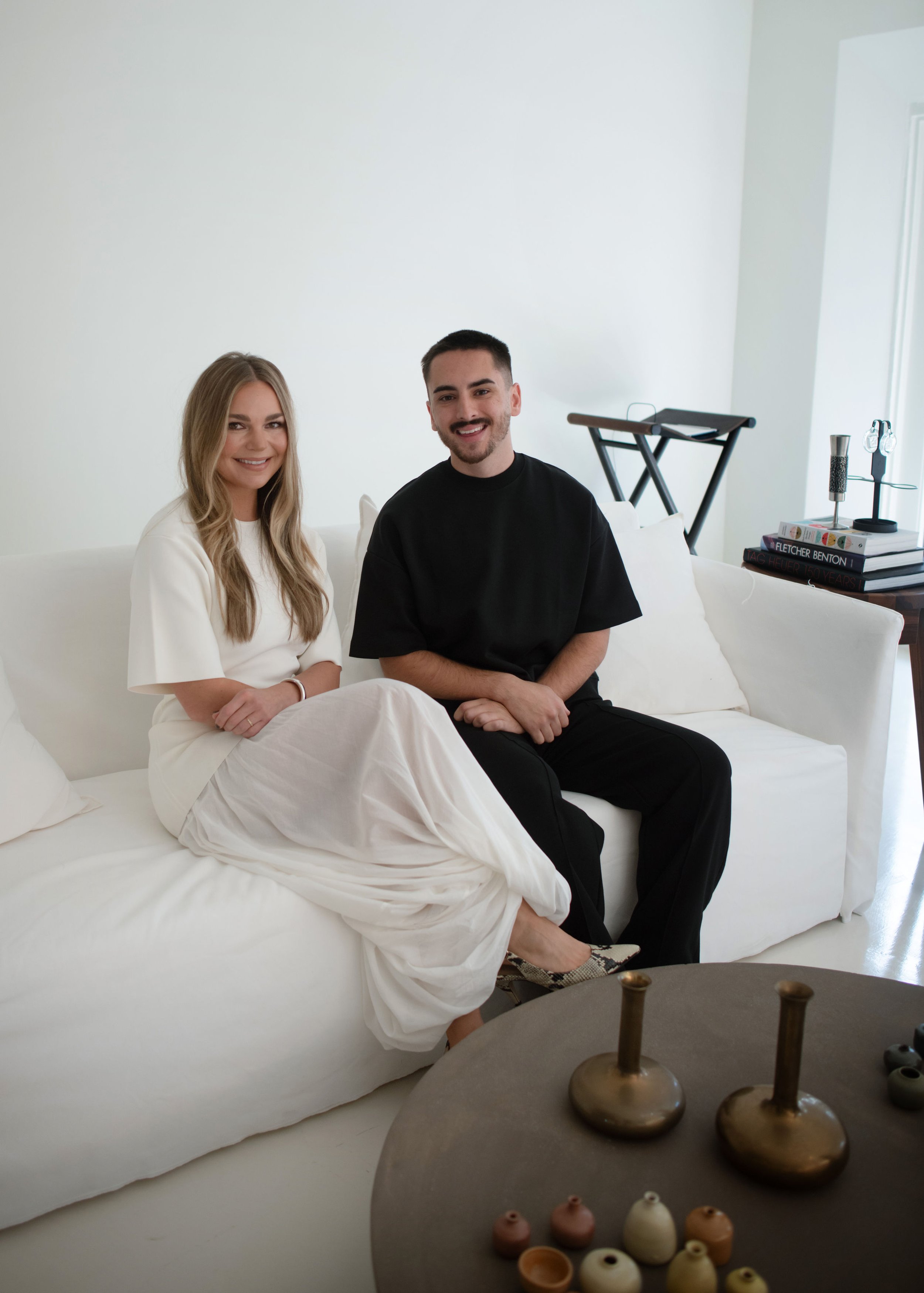
A summary of a Desert Design Week conversation on timeless interiors, materiality, and designing beyond trends. Program Credit: This conversation took place during the Fall edition of Desert Design Week as Design Notes With Molly Kidd and Studio SGT and was moderated by Hannah Klemm. Hosted in collaboration with Galerie Town.
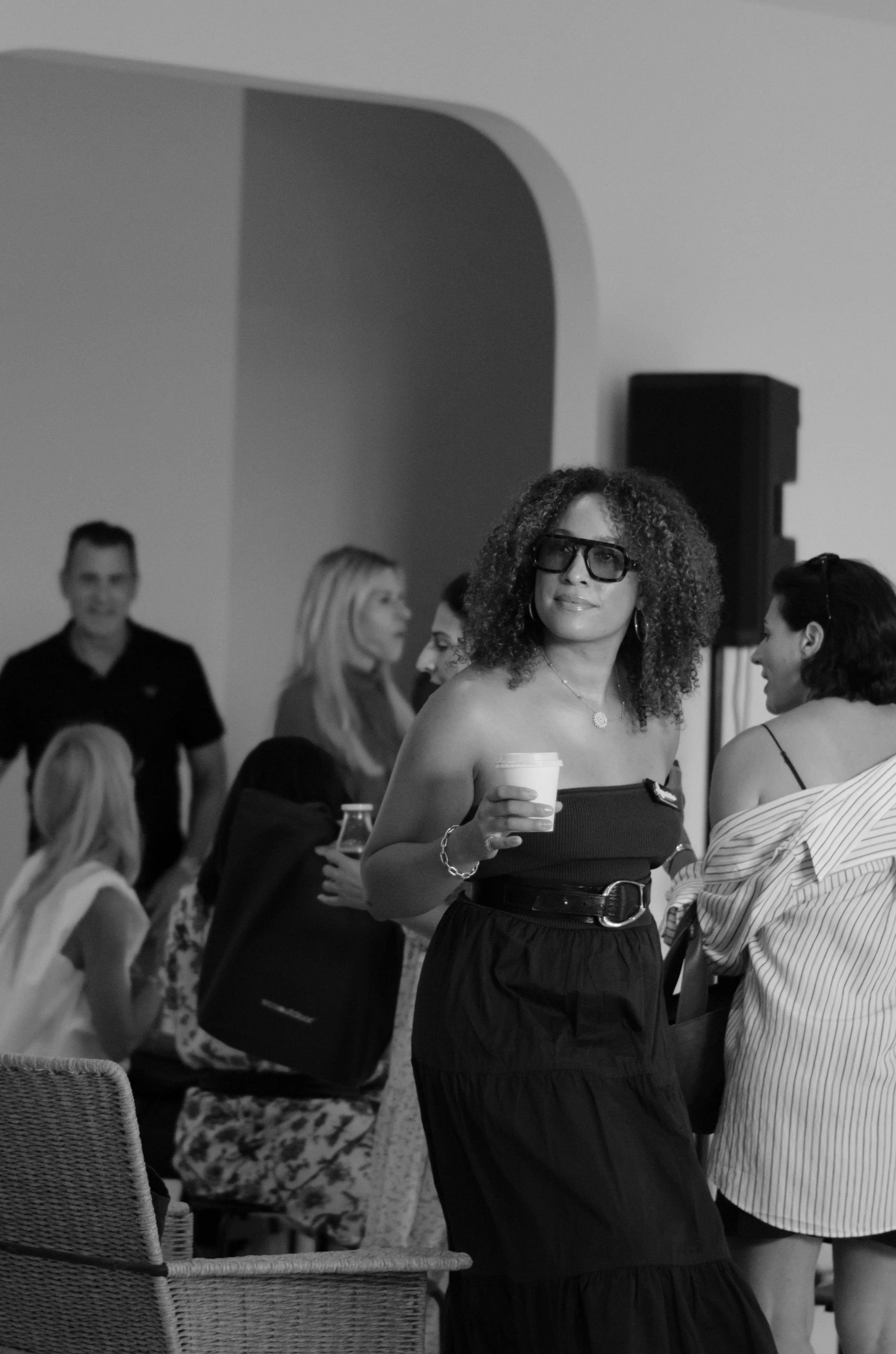
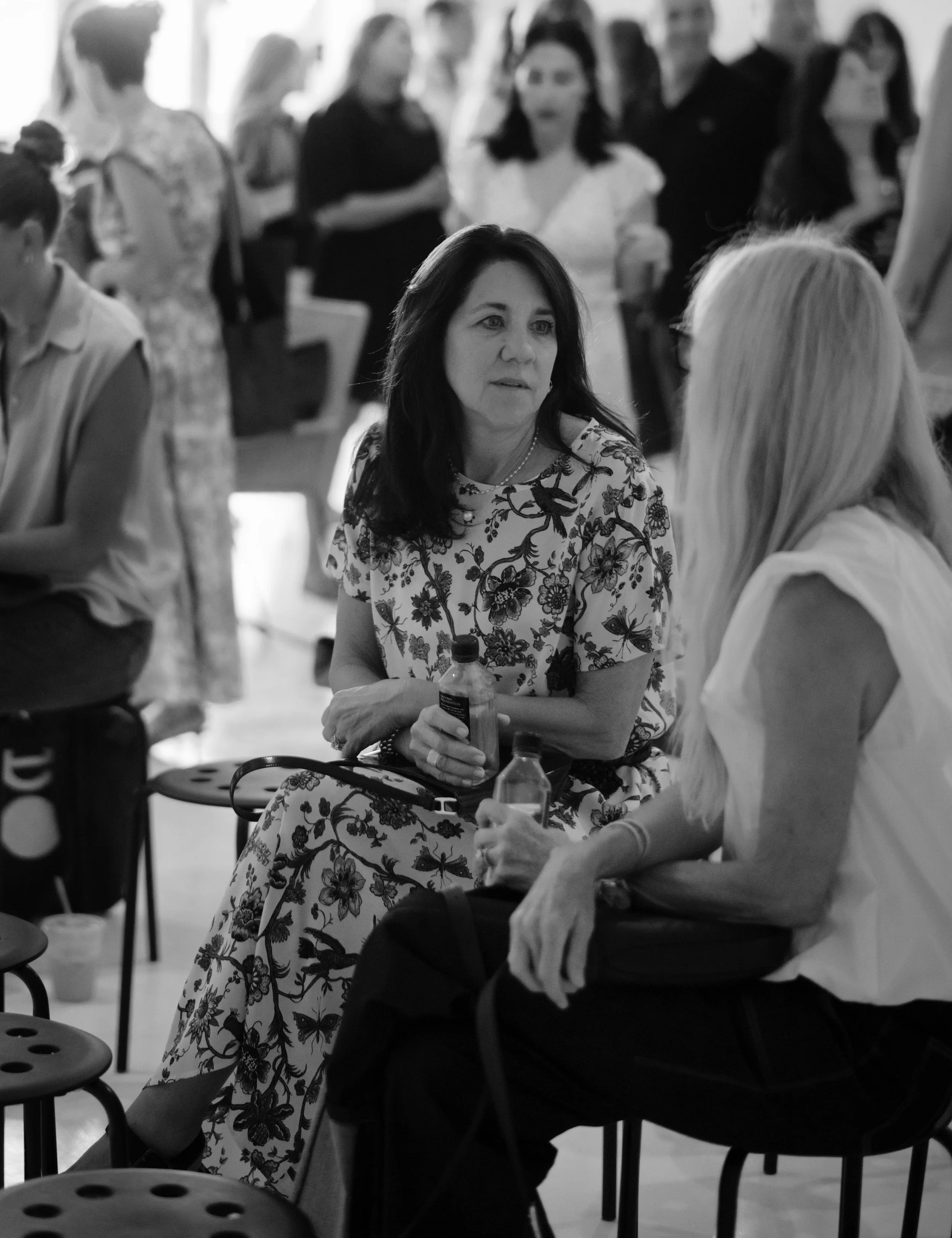
EVENT HIGHLIGHTS

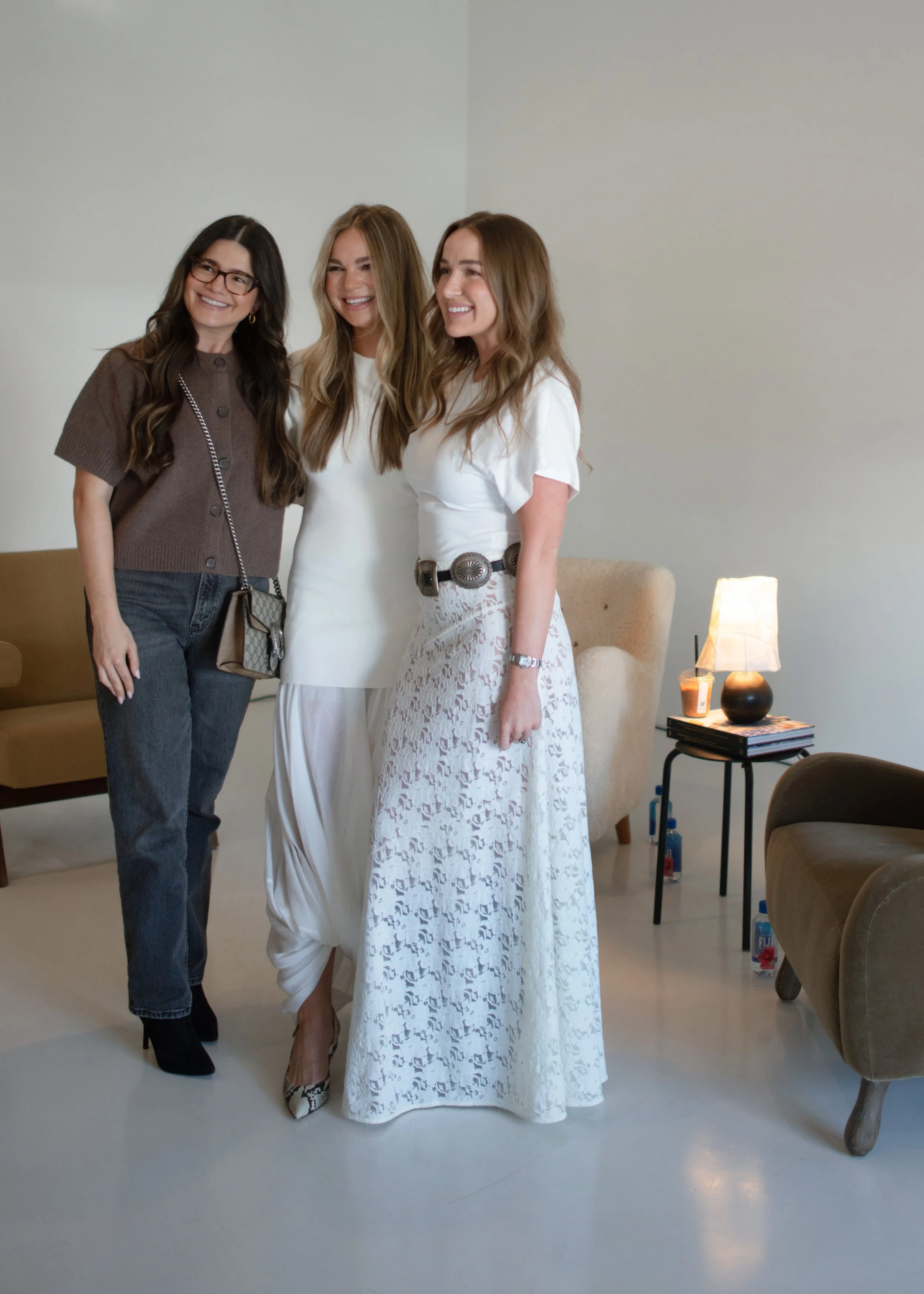
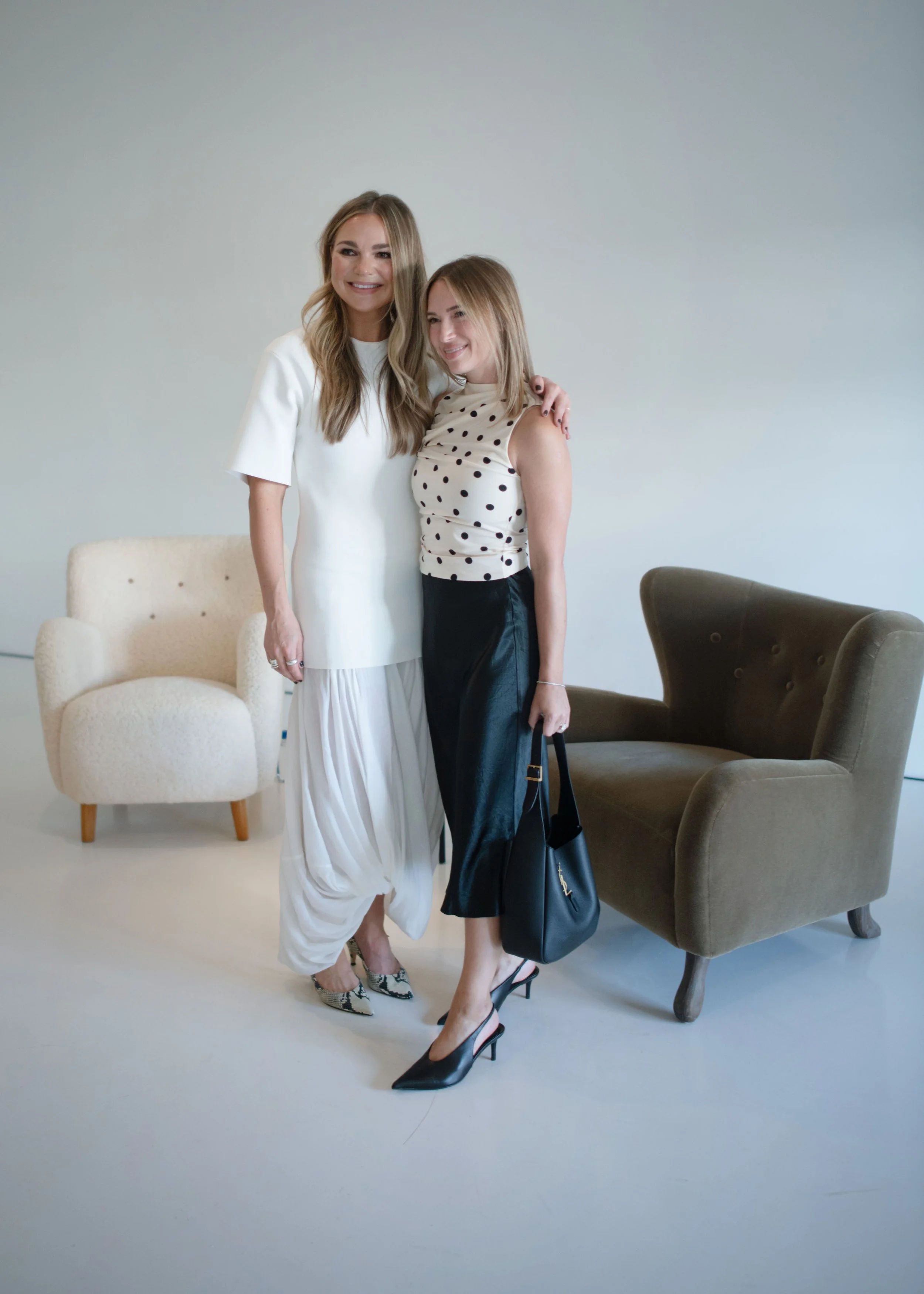
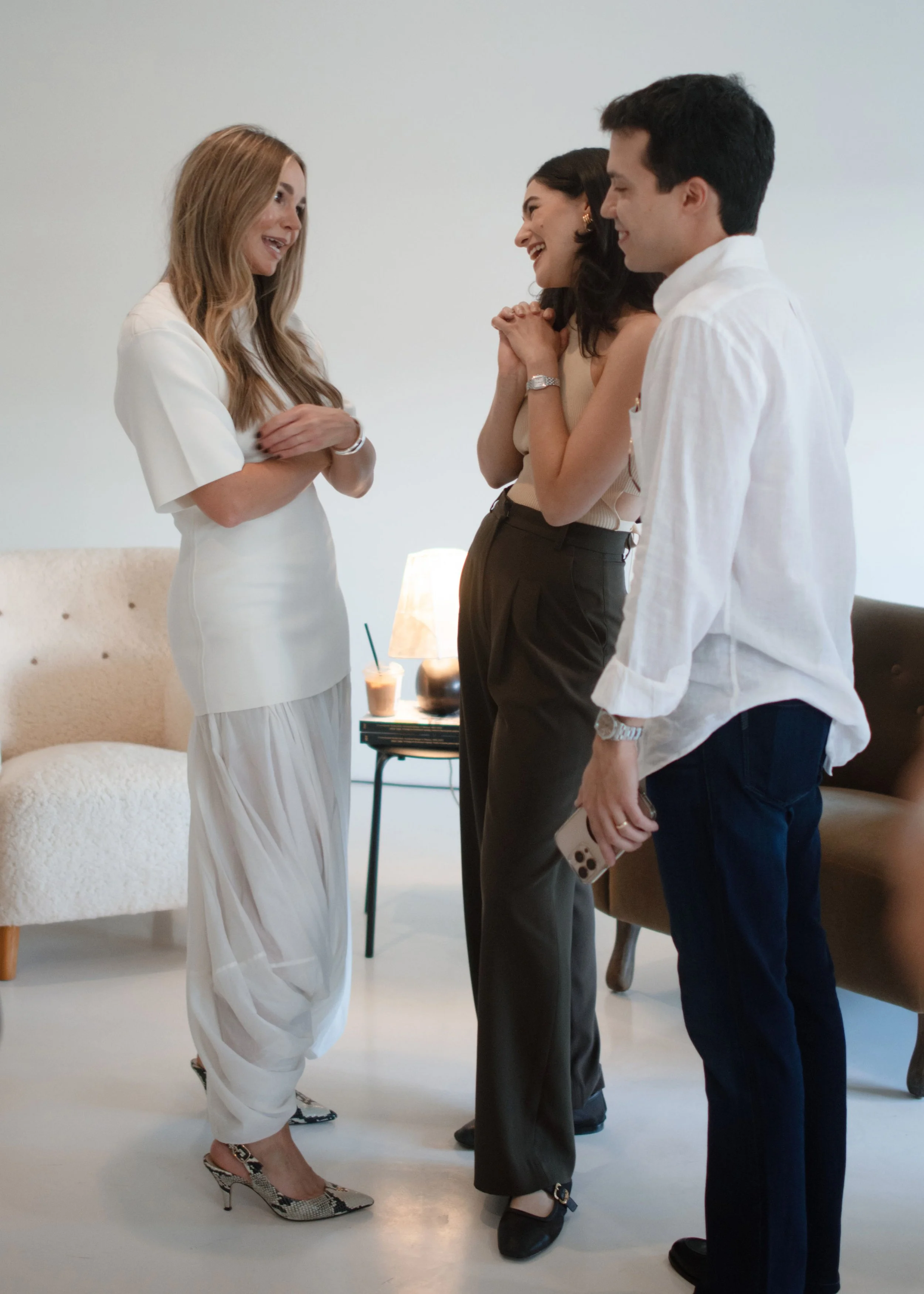
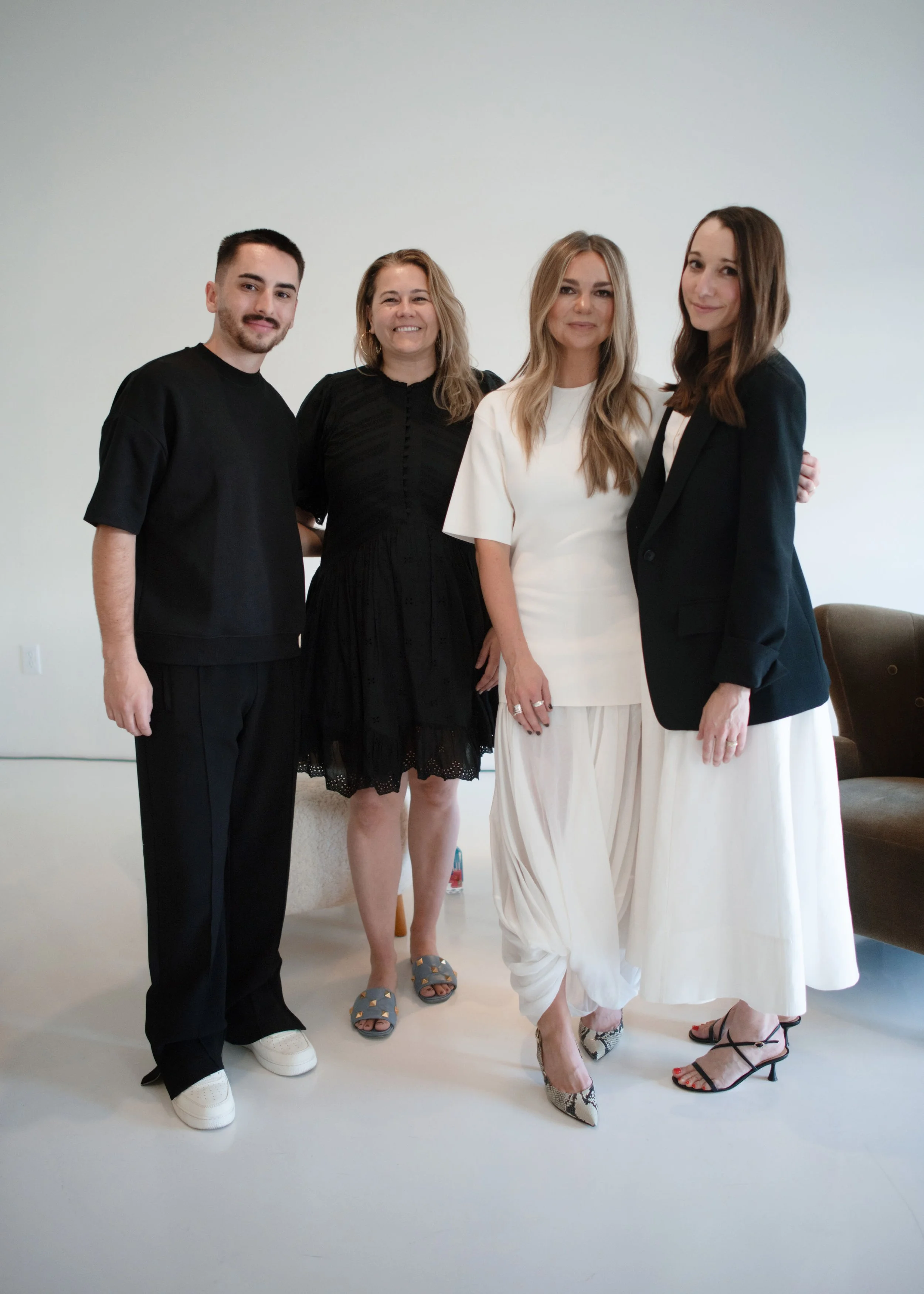

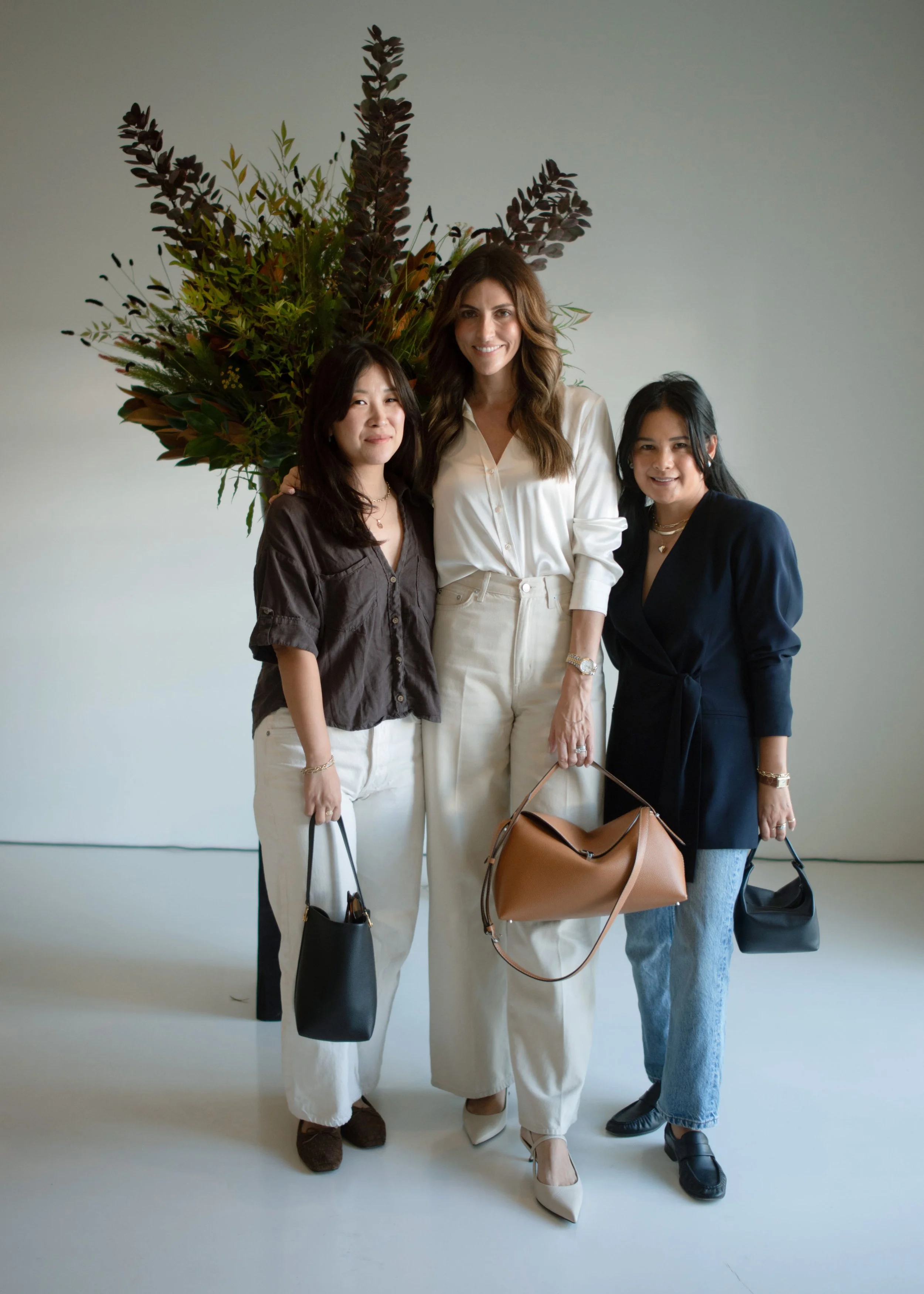
Photographer: Winona Grey